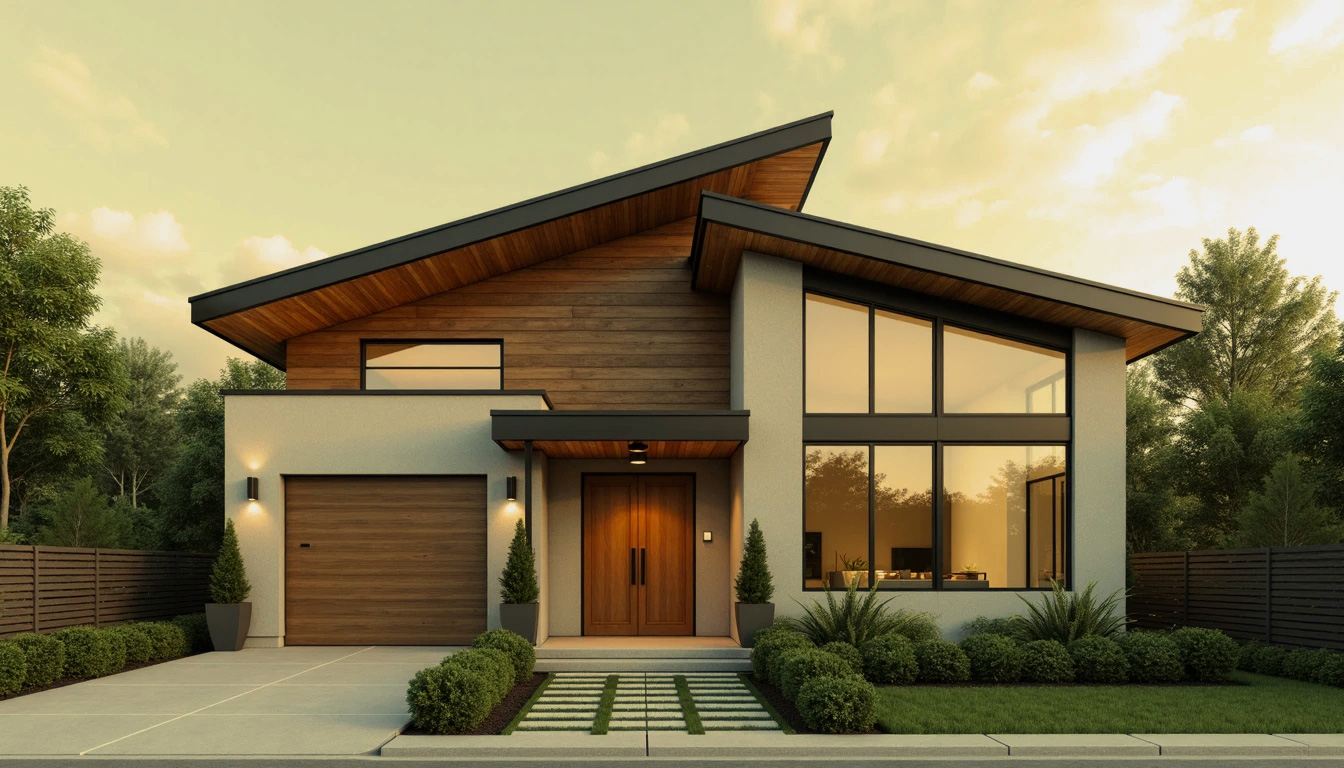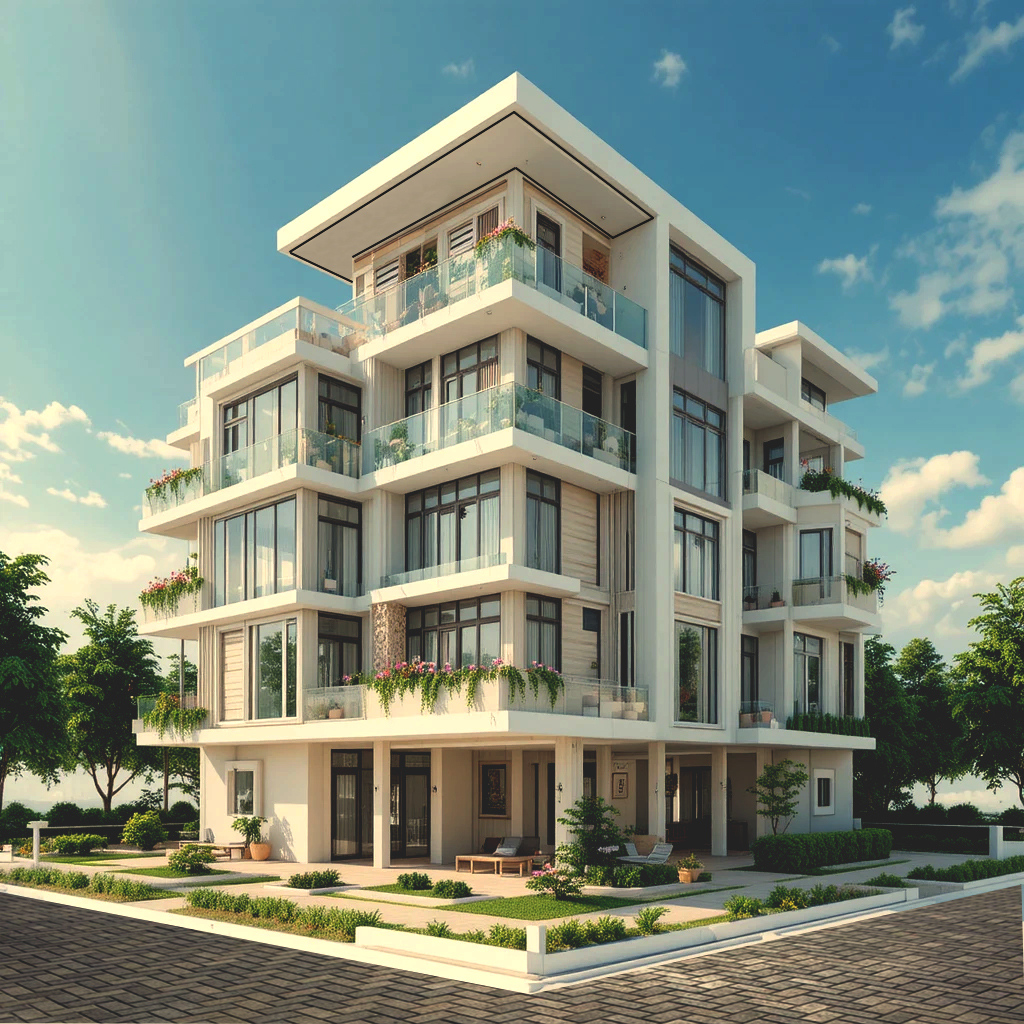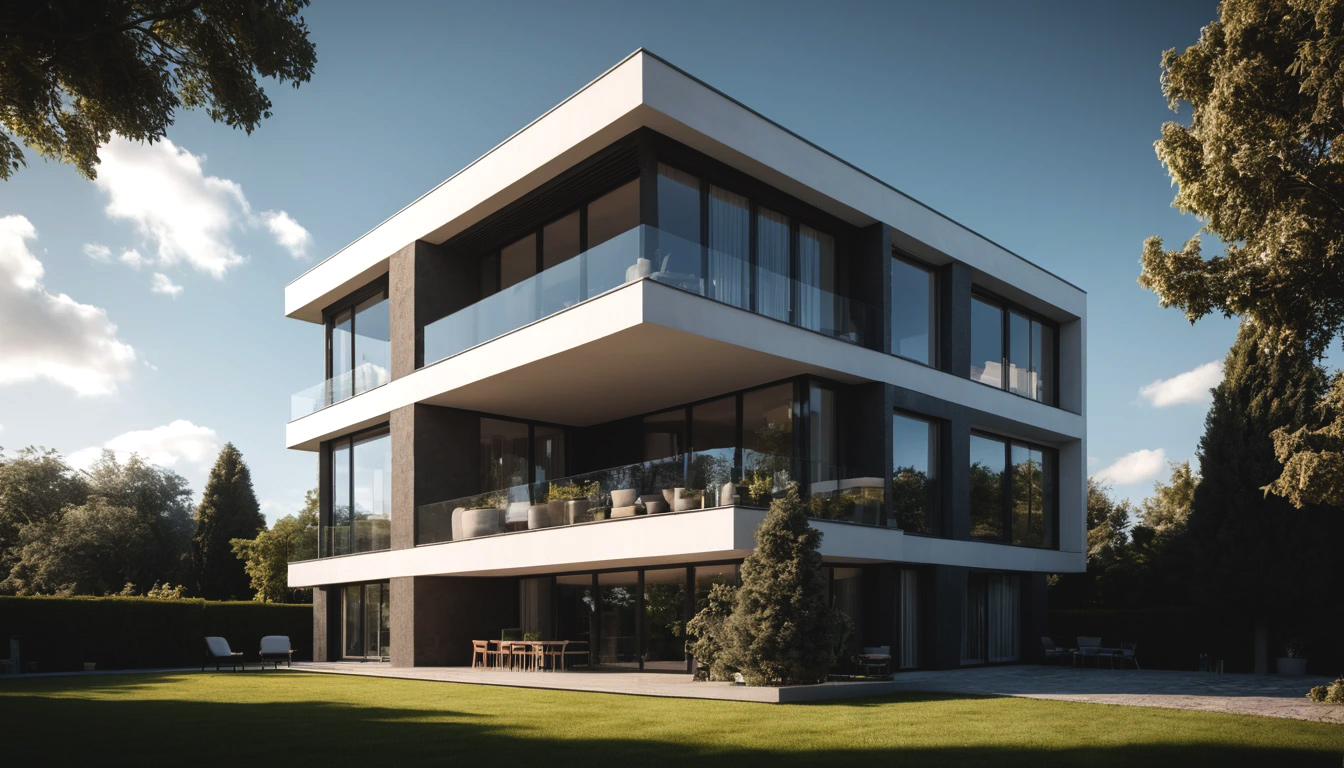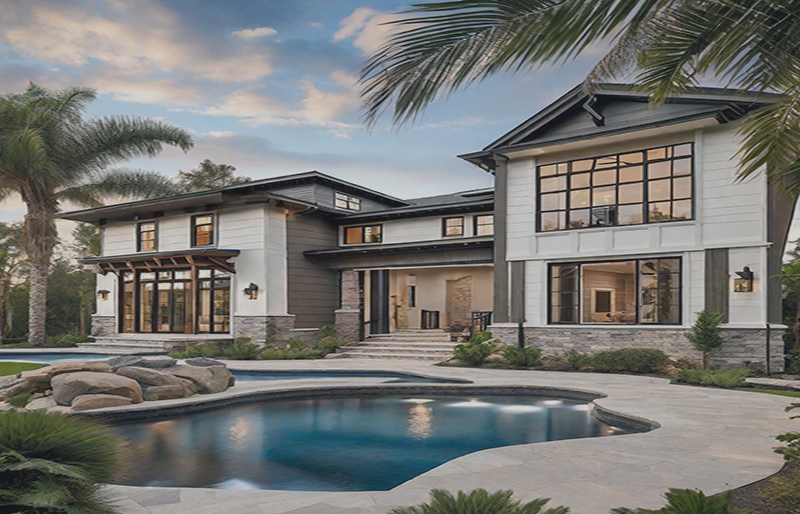
Great landscaping does not decorate a building; it completes it. We select species that echo the architecture's line and mass, layered from canopy to understory to ground cover so the garden reads in four seasons rather than one glorious weekend in May. Native plantings dominate for resilience and habitat value; ornamentals accent at key thresholds where the visitor pauses.
The best gardens are designed in section as much as in plan. A canopy at 8 meters, an understory at 3, a shrub layer at 1.2, herbaceous at 0.6, and ground cover at the base gives you the layered richness of a woodland edge, which is the ecosystem the human eye finds most restorative. It is not accident that we build our best gardens to look like the forest clearings our ancestors slept in.
In 3D we simulate five- and ten-year growth so the planting plan reads as intended long after opening day. We also model the maintenance regime honestly. A wildflower meadow is not low-maintenance, it is differently maintained. Clients get a calendar of interventions along with the drawings.
For deeper study, read Piet Oudolf on structural perennial planting, tour any project by Dan Pearson to see how horticulture becomes composition, and revisit Frederick Law Olmsted's Central Park to see landscape design at the scale of a public living room.